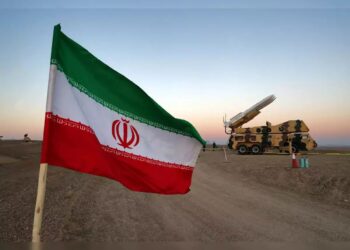


In a shocking turn of events, the Israeli envoy to the United Nations has publicly stated that Iran has allegedly provided substantial funding and support to the Palestinian militant group, Hamas, responsible for a devastating and widespread attack. The repercussions of this conflict have been nothing short of catastrophic, with over 600 Israelis and approximately 370 Palestinians in Gaza losing their lives during the sudden onslaught.
The assault, orchestrated by Hamas, unfolded on a fateful Saturday, sending shockwaves across the region. In response to this grave provocation, Israeli Prime Minister Benjamin Netanyahu made a solemn commitment to dismantle Hamas’ strongholds in Gaza, vowing to reduce them to rubble. The consequences of this conflict have been dire, with both sides suffering significant casualties.
The Palestinian death toll in Gaza has soared to a harrowing minimum of 232 individuals, primarily due to the relentless and ferocious air strikes that targeted the densely populated coastal enclave. The images of despair and destruction emanating from Gaza have evoked international concern and condemnation, with urgent calls for a ceasefire echoing around the world.
As the conflict rages on, the night sky illuminated by the flashes of explosions, intense gun battles have raged between Israeli forces and hundreds of Hamas fighters. This fierce engagement has spread across at least 22 different locations within Israel. Alarmingly, some of these encounters have taken place in areas where innocent civilians were held hostage, amplifying the horror and complexity of the situation. The Israeli army has reported incidents where “terrorists rampaged and forcibly entered homes, resulting in the tragic loss of civilian lives.”
The toll on human lives is staggering, with over 1,000 individuals in Israel enduring injuries inflicted by gunfire or the more than 3,000 incoming rockets. Families have been torn apart, and communities are grappling with the physical and psychological scars of this protracted conflict.
As the world watches in anguish, the situation remains fluid and volatile, with diplomatic efforts underway to broker a ceasefire and halt the bloodshed. The Israel-Iran-Hamas nexus has added an alarming dimension to the already volatile Middle East, raising concerns about the broader regional stability and the potential for a wider conflagration.
The international community faces an urgent and daunting task of finding a path to peace and reconciliation in a region that has been marred by conflict for decades. The repercussions of this tragic episode will undoubtedly reverberate far beyond the immediate crisis, emphasizing the critical need for diplomacy, dialogue, and a lasting resolution to the underlying issues that fuel this devastating cycle of violence.