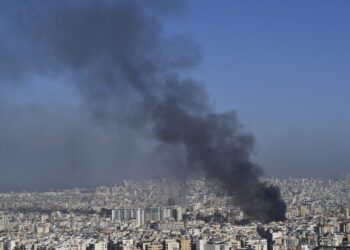


In the ongoing conflict between Israel and Hamas, a tragic incident unfolded as an Israeli airstrike targeted al-Ahli hospital in Gaza City. This hospital was a place of refuge and medical care for thousands of innocent civilians seeking safety from the relentless attacks in the region.
The Gaza health ministry has reported a devastating toll, with at least 500 casualties resulting from the hospital blast. This shocking incident adds to the already dire humanitarian situation in the area. Furthermore, a UN-operated school that was sheltering refugees was also struck, further intensifying the crisis.
The conflict has prompted concerns from various international actors. Iran’s foreign minister has stated that pro-Iranian groups in the region may take preemptive action against Israel, and there is a sense of urgency, with potential actions mentioned within hours. This escalatory rhetoric underscores the regional implications and volatility of the situation.
Tragically, the number of casualties in Gaza continues to rise. Since Hamas’s initial attack inside Israel on October 7, the toll on Palestinian lives has been devastating. It is estimated that approximately 3,000 Palestinians have lost their lives in Israeli attacks, and the conflict shows no sign of abating. This cycle of violence has not only led to immense human suffering but has also strained international diplomatic efforts to find a peaceful resolution to the conflict.
The situation is highly complex, with deep-rooted historical, political, and religious factors at play. The international community is grappling with how to bring about a lasting ceasefire and address the underlying issues that fuel this longstanding conflict.
As the conflict continues to evolve, it is essential for the world to focus on efforts to promote peace, protect civilians, and address the humanitarian crisis in the region. The tragic events at al-Ahli hospital and the UN-run school serve as stark reminders of the urgent need for a peaceful resolution to this conflict.